
This page is for modernizing an application or codebase your team already runs, by refactoring, replatforming, or rearchitecting it. If the problem is spreadsheets, an Access or FileMaker database, or a manual process held together by shadow systems, start with spreadsheet and database modernization.
“A dedicated, flexible structure that allows us to scale resources as our needs change. An essential part of our R&D.”

Our
capabilities
A modernization program built around continuity. Diagnose, stabilize, rebuild the parts that matter, leave the rest.
Before we rebuild anything, we diagnose what's actually broken versus what just looks old. Quick-win stabilization work (failing integrations, slow queries, untested deploys) often delivers value before any modernization begins.
- Codebase and architecture review
- Performance and reliability triage
- Integration debt mapping
- Quick-win stabilization roadmap
Most modernization pain lives in the experience layer. We rebuild your front-end as a modern application (responsive, fast, properly validated) while leaving the backend that still works alone. Lower risk, faster value, same business logic.
- Modern SPA or web app on React, Next.js, or Angular
- Responsive interfaces and proper validations
- Adapter layer to keep the existing backend in place
- Incremental rollout, no big-bang switch
Brittle point-to-point connections, manual data syncs, and third-party API drift are usually the real reason a platform feels expensive. We replace the tangle with clean APIs and observable pipelines so new integrations stop being a project.
- API and webhook consolidation
- Data-sync replacement with event-driven pipelines
- Third-party drift monitoring
- Documentation that survives the next change
Modernization engagements fail when teams switch over before they're ready. We embed QA from day one and roll changes out in phases, so users adapt gradually and product managers stop owning regression testing.
- Dedicated QA specialists, not shared
- Feature-flagged phased deployment
- Daily reporting and structured Jira workflows
- Rollback paths for every release
Real results with Application Modernization
Trusted by




Modernize without rewriting
The fastest way to a modern platform is rarely a full rebuild. We rebuild the experience layer as a modern responsive application (React, Next.js, or Angular) while keeping the backend that's quietly done its job for years. Teachers, operators, and customers see the change; the systems of record don't have to.
- Modern SPA replacing text-heavy legacy interfaces
- Existing backend retained where it still works
- Adapter layer for clean migration paths later
- Improved validations that cut user-error rates
- Phased rollout, zero downtime

Untangle and integrate
When every new integration takes weeks and every change risks breaking three others, the problem isn't the application. It's the connective tissue around it. We replace point-to-point chaos with clean APIs, event-driven pipelines, and observable data flows, so the next integration is a configuration change, not a project.
- Audit of every existing data flow and integration
- Replacement of brittle point-to-point connections
- Event-driven pipelines with retry and replay
- Observable, alertable, and documented end-to-end
- Third-party API drift caught before it causes outages
Start with a workshop
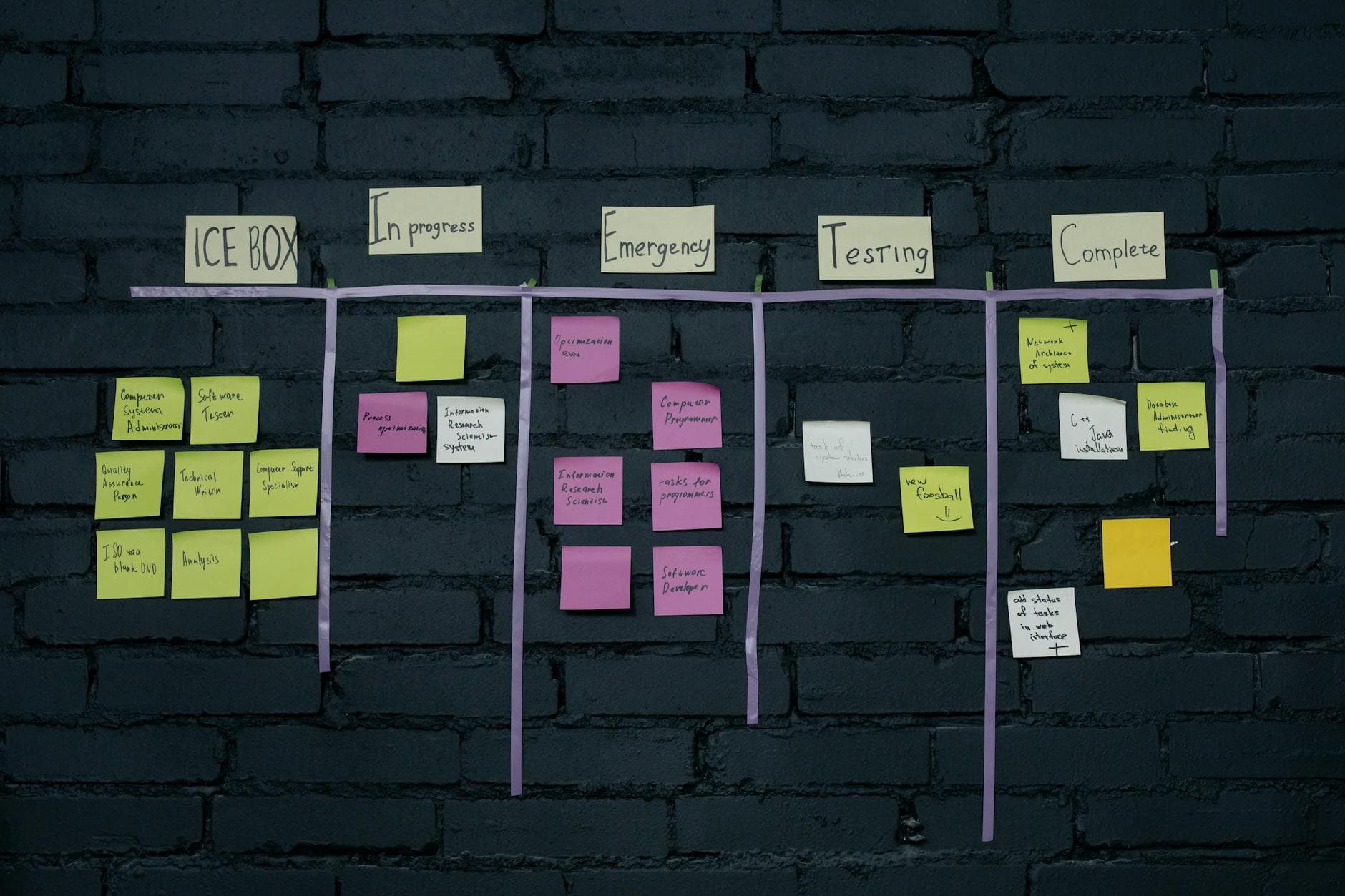
Modernization engagements that skip diagnostic scoping tend to modernize the wrong things. Our Opportunity Analysis Workshop maps the real cost drivers, separates the painful-but-cheap fixes from the load-bearing rebuilds, and gives you a prioritized roadmap before you commit to a delivery scope. It's the safest first step for any modernization program.
- Stakeholder interviews and process walk-throughs
- Cost-of-inaction analysis on the current platform
- Quick wins separated from structural rebuilds
- Prioritized roadmap with effort and impact scoring
Tools we use
A pragmatic stack, modern where it counts, legacy-friendly where it matters.
When to use this
Aging LMS, CRM, or ERP
Long-serving platforms that still hold critical data but are slowing your team down with outdated interfaces and rigid workflows.
Internal Admin Tools and Portals
Custom-built tools that worked at smaller scale but now require workarounds, manual fixes, or shadow spreadsheets to keep running.
Customer Portals That Feel Old
Customer-facing applications losing engagement because the experience hasn't kept up with what users expect elsewhere.
Reporting and BI Platforms
Reporting tools that take days to extend, with dashboards bolted on over time and no clear path to add a new metric without a rebuild.
Line-of-Business Desktop Apps
Desktop-era applications that need to become web-accessible without losing the workflow expertise built into them.
Platforms Held Together by One Engineer
Important systems that work, but only because one person knows where the bodies are buried. Modernize before that person leaves.
From diagnosis to hand-off
Diagnose
Audit and Roadmap
Codebase review, integration map, and cost-of-inaction analysis. You leave with a prioritized list of what to fix and what to leave alone.
Stabilize
Quick Wins First
Address the worst pain (failing integrations, fragile deploys, blocking bugs) before any rebuild begins. Often the first month delivers real relief.
Modernize
Rebuild What Matters
Front-end rebuild, integration replacement, and validation improvements, delivered in feature-flagged phases with embedded QA.
Hand-off
Documented and Supportable
Documentation that survives the next change, runbooks for the team taking over, and an optional ongoing support arrangement for what we built.
Already know what needs modernizing?
If you know the platform and the pain, let's talk scope. If you're still working out what to tackle first, start with a workshop.