
 Now Actually
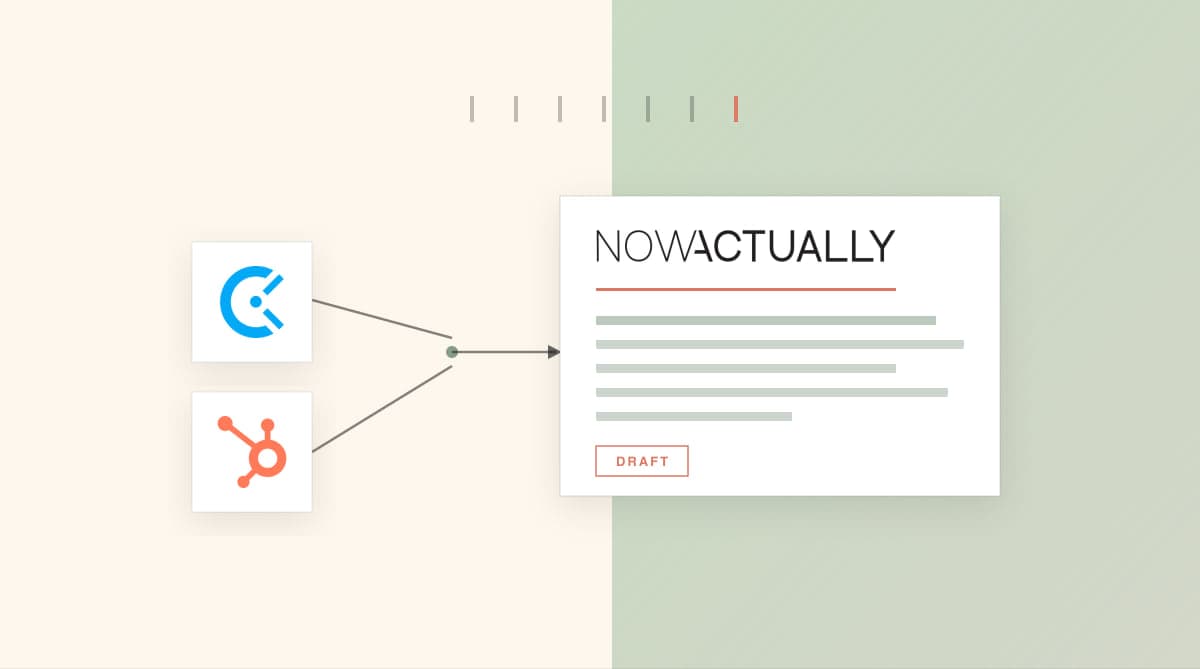
Weekly HR Partner Notes Automation
WeeklyAutomated note cadence
2 systemsUnified per client
100%Retained clients covered




+2
Operations is where manual handoffs, spreadsheet reporting, and process knowledge stuck in a few people quietly become a full time job. This page collects the practical work Kipanga does with operations teams, and where to start.
Most operational problems are felt before they are named. When two systems do not talk, when a report has to be rebuilt by hand, when a process only one person understands, operations is usually the function that closes the gap with its own time and attention.
That work rarely shows up on a roadmap, but it sets the ceiling on how much the business can take on without adding people. The aim here is not a transformation program. It is finding the handful of places where that hidden effort concentrates, and removing it.
People are acting as the integration layer between tools that do not share data.
The real picture only appears after manual work, so it arrives late and is easy to get wrong.
Throughput is capped by individual availability rather than by a defined process.
Process knowledge sits in people, not in the system, so it leaves when they do.
Each system holds its own version of the truth, so teams spend time agreeing the numbers.
The tool count is growing faster than the connections between them.
The first engagement is deliberately narrow. We take one high friction workflow and make it concrete before anything is rebuilt.
We follow a single process across the people and systems it touches, and mark where data is re-entered, where it stalls, and where it breaks.
We identify the few steps that absorb the most effort or carry the most risk, so the first change is the one that actually moves the needle.
We define a specific, scoped change with a clear owner and a way to tell whether it worked, rather than a long program of work.
Now Actually





 Full Life
Not sure which of these fits?
The symptom led path for manual and repetitive work, from triage to automation.
Explore Manual and repetitive tasksWhen the real problem is systems that do not share data and a missing source of truth.
Explore Disconnected systemsRedesign and automate the workflows that move between your systems and people.
Explore Business AutomationBuild or extend the systems that hold and share your operational data cleanly.
Explore Information SystemsHand repetitive, rules based operational steps to a reliable digital worker.
Explore Digital EmployeesNot sure which of these fits?
Usually no. Most operations work connects and automates the tools you already run rather than replacing them. We assess what your systems can expose through APIs, exports, or databases before recommending any change, and we stage the work so live operations keep running.
Start with the single workflow that costs the most time or carries the most risk. We map that one process end to end, find where the effort concentrates, and agree one practical change. Starting narrow gives you a result you can see before committing to anything larger.
Book an opportunity analysisThat is one of the most common and most fragile situations in operations. We document the process as it actually runs, move the steps that can be automated into the system, and capture the rest so the work no longer depends on one person being available.
The work is staged. We connect and validate in steps, starting with the highest friction handoff, rather than switching everything at once. Each change is scoped with a clear owner and a way to confirm it worked before the next one begins.
The aim is the opposite. Most engagements reduce the number of manual steps and the number of places data has to be re-entered. Where a new capability is needed, it is chosen to remove work, not to add another screen for your team to keep in sync.
Pick one process where your team moves information by hand or waits on a single person. We will help map where it stalls and show what a practical first change could look like.