
Client result: SignsSA case study
A working demo is not a production system
A prototype proves an agent can complete selected examples. Production readiness means you can rely on the workflow under normal load, difficult cases, supplier changes and failure conditions. Before launch it needs agreed acceptance thresholds and an operating model for the days it is uncertain or wrong.
Representative evaluation
Test real examples, edge cases, poor-quality inputs and prohibited requests. Measure task completion and business outcome, not only whether the response sounds convincing.
Security and privacy
Review data purpose, access, retention, supplier terms, secrets, hosting, system permissions and any personal or sensitive information before the workflow reaches production.
Human control
Name the accountable owner. Define approval gates, escalation rules, prohibited actions and the conditions that stop the workflow.
Observability
Log enough information to understand what the agent attempted, which sources and tools it used, what changed, and why it escalated or failed.
Fallback and rollback
Decide what happens when a model, API or source system is unavailable. High-impact actions need a safe failure mode and a practical way to reverse or correct them.
Controlled change
Version prompts, models, tools, data sources and evaluation sets. Re-test material changes before release and monitor performance after deployment.
“Made AI and automation easy to understand and been a breeze to deal with. Couldn't recommend these guys enough.”

Andrew Lawson
Owner, SignsSA
Compare an AI agent with a chatbot.
Useful when the buyer needs to decide whether the system should only answer questions, or complete bounded work across tools and handoffs.
How the agent is
bounded
Four controls we define before building, so autonomy stays inside limits you can see and change.
Give the agent a defined goal, approved information and a restricted set of actions. It can plan the steps within those limits, but it does not receive open-ended authority over your systems.
Connect the agent only to the applications, data and functions it needs. Use least-privilege access, separate credentials, clear action boundaries and audit logs.
Set the decisions that require a person, the confidence or risk conditions that trigger escalation, and the information the reviewer needs to act. Human oversight should be a real control, not a rubber stamp.
Record inputs, outputs, tool calls, approvals and failures. Define fallbacks for unavailable systems, a rollback path for incorrect actions, and an owner who can pause the workflow when conditions change.
Real results with Agentic AI
Trusted by




Research Agents
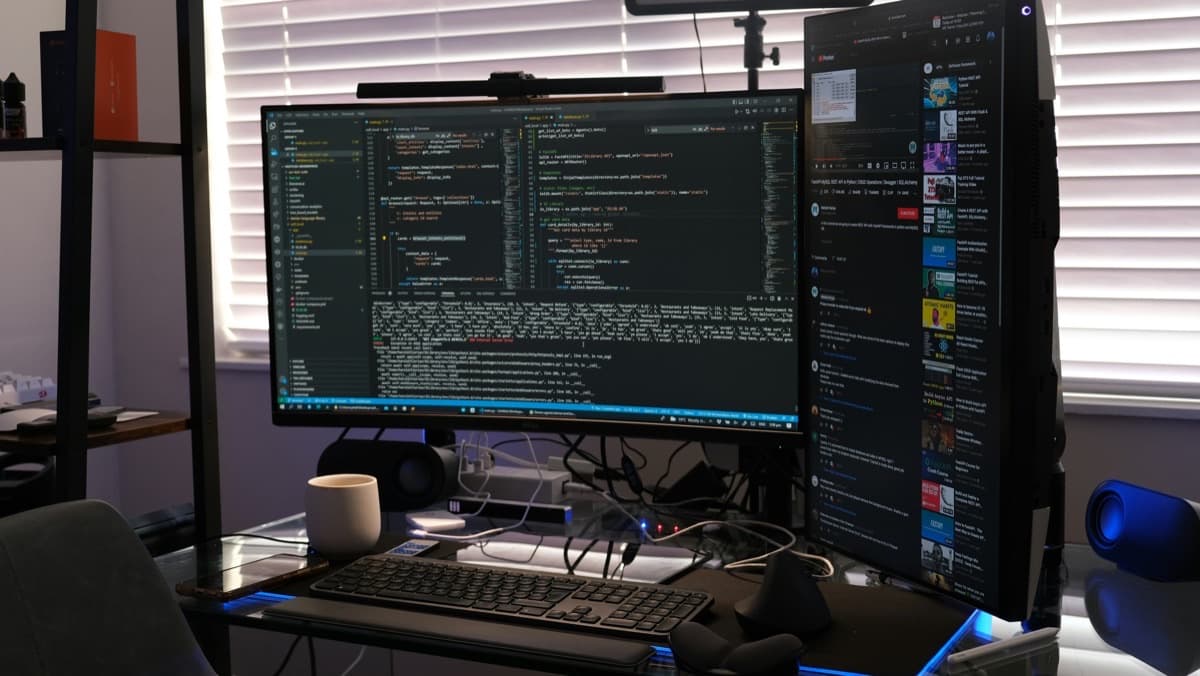
An agent that gathers, synthesizes and reports on market or competitive intelligence from approved sources, on a schedule you set. It preserves links to the evidence and briefs you, so a person reviews the synthesis rather than trusting it blind.
- Multi-source monitoring
- Automatic summarization
- Trend identification
- Scheduled briefing delivery
- Alert on significant changes
Operations Agents
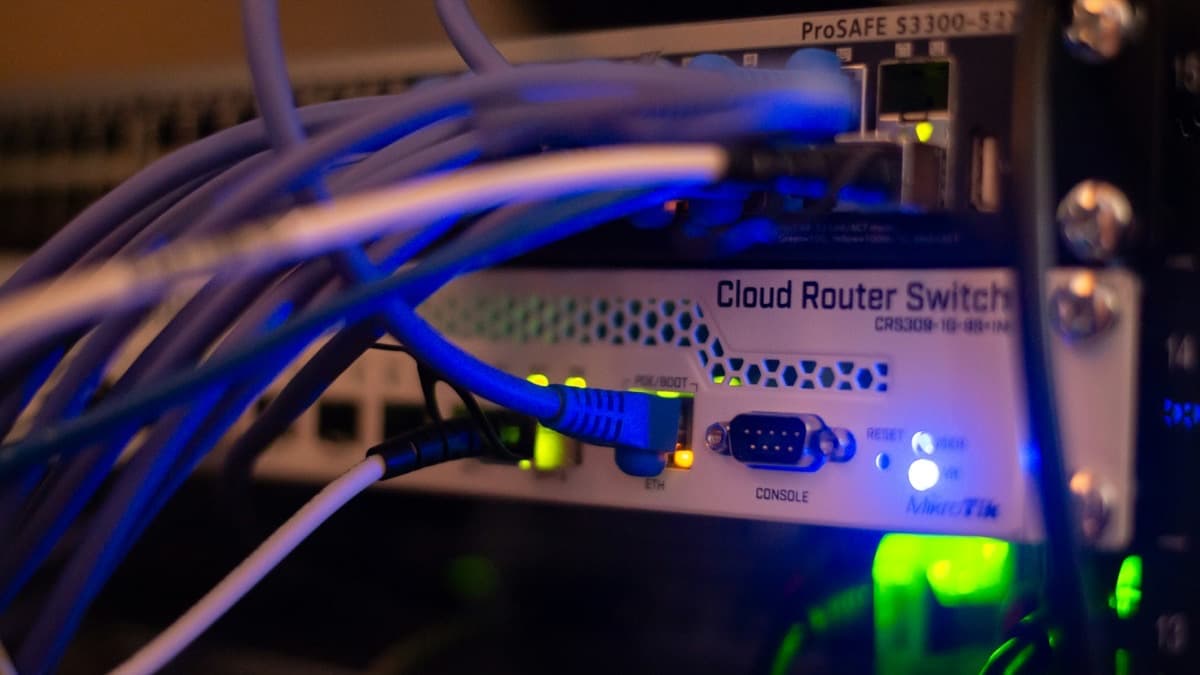
An agent that monitors a bounded queue or system, gathers context, and prepares or takes an approved corrective action. Higher-risk actions pause for approval, and unclear cases escalate to a person with the relevant context.
- Continuous system monitoring
- Anomaly detection
- Approved remediation steps
- Escalation to humans when needed
- Root cause analysis

Sales Agents
An agent that qualifies leads using approved company knowledge, drafts personalized outreach for review, and schedules meetings. The sales team focuses on closing while the agent handles the top of the funnel.
- Lead qualification and scoring
- Personalized outreach drafting
- Meeting scheduling
- CRM updates
- Follow-up automation
Tools we use
The stack we build on for agent workflows, integrations and deployment.
From scope to scale
Define
Goals and Boundaries
Establish clear objectives, acceptable actions, and escalation criteria for the agent.
Architect
Agent Design
Design the agent's reasoning framework, tool access, and decision-making logic.
Connect
System Integration
Build secure connections to the tools and data sources the agent needs to complete tasks.
Validate
Testing and Deployment
Rigorous testing of agent behavior followed by controlled rollout with monitoring.
Platforms and Partners










Questions about AI agents
A chatbot answers; an agent completes a bounded task across approved tools, then records what it did. That extra authority is why it needs permissions, approval gates and logging.
Only what the workflow needs. It plans within a defined goal and a restricted set of actions, pauses for approval on higher-risk steps, and escalates when conditions fall outside agreed limits.
A named owner can pause the workflow, higher-impact actions have a safe failure mode and a rollback path, and every action is logged so you can see what it attempted and why.
Get in touch about Agentic AI Solutions
See how a bounded AI agent could handle a specific workflow in your operations.